







Search Results for: coffee brewing tutorial

How do you make iced pour-over with dark roast beans in the hot summer? A complete brewing tutorial using Golden Mandheling as an example.
The scorching summer heat makes people want to ice everything, and even customers who normally only drink hot coffee can't resist ordering an iced pour-over to cool down. However, making iced pour-over with dark-roasted beans is not quite the same as with light-roasted beans—water temperature, coffee-to-water ratio, and the amount of ice all need to be readjusted, otherwise it's easy to end up with a cup that's both bitter and weak. This article uses Front Street Coffee's Golden Mandheling as an example to break down in detail the complete process of making iced pour-over with dark-roasted coffee beans, explaining everything from grind size and water temperature to pouring rhythm, helping you reliably recreate a cup of cool, rich iced pour-over coffee this summer. [more…]
What is the difference between traditional black tea and CTC broken black tea? Which is more worth drinking? Includes a CTC broken black tea brewing tutorial
Friends who love drinking black tea have probably all come across the term CTC. How exactly does it differ from traditional black tea? The core difference between the two lies in their production methods—the traditional method emphasizes plucking, withering, rolling, oxidation, and drying, with intricate and elaborate steps; CTC, on the other hand, relies on machines to complete crushing, tearing, and curling in one go, making it fast and low-cost. These processing differences directly determine the flavor direction of the finished tea: CTC is intense and powerful, prone to bitterness, and suitable for milk tea or masala chai; traditional black tea has delicate layers, suitable for drinking plain or with lemon. This article will break down each step of the two processing methods one by one, analyze their respective taste characteristics and quality levels, and tell you how to make a choice based on your drinking scenario, with a brewing tutorial for CTC black tea fannings attached at the end. [more…]
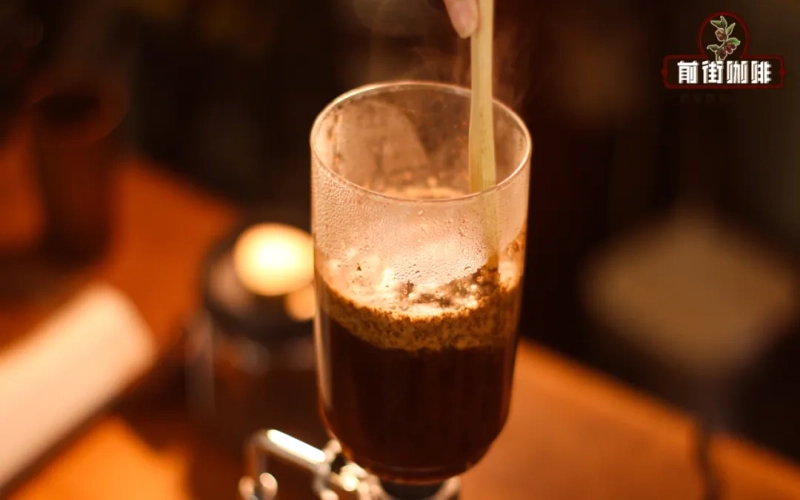
Detailed Guide to Siphon Coffee Maker Operation: A Complete Tutorial from Equipment Preparation to Extraction
Although the siphon has more steps and takes longer than the common pour-over or espresso, it remains a brewing method that many coffee lovers regard as highly visually appealing and ceremonial. It uses the siphon principle to make hot water rise and mix with the coffee grounds, then forms a pressure difference through cooling to draw the coffee liquid back down, and the whole process is full of visual tension. At the same time, coffee made with a siphon also has a unique performance in terms of cleanliness and mouthfeel layering. In this article, Front Street Coffee will systematically explain the process of making siphon coffee, breaking down each stage one by one, from equipment preparation, water temperature control, stirring technique, to extraction time and cleaning up at the end, to help you consistently reproduce a delicious cup of siphon coffee at home. [more…]
The Complete Moka Pot Manual: From Coffee-to-Water Ratio to Coffee Bean Selection, a Hands-On Tutorial from Front Street Coffee
The moka pot is an essential coffee brewing device in nearly every Italian household—it is said that eight out of every ten Italian families own one. In China, however, the moka pot has a relatively smaller audience, and there has long been a lack of systematic and comprehensive instruction on how to use it. This time, Front Street Coffee has put together a dedicated moka pot brewing guide, starting with the structure of the device and the principles of extraction, answering common questions one by one about coffee dose, water volume, grind size, and more, offering recommendations for coffee beans suitable for the moka pot, and finishing with detailed step-by-step instructions. Whether you are a beginner who has just gotten your first moka pot or a seasoned user looking to improve your results, you will find practical guidance here. [more…]

American Coffee Home Brewing Guide: The Golden Ratio of Espresso to Water and a Detailed Step-by-Step Tutorial for Iced Americano
Americano may seem simple, made of nothing but espresso and water, yet it is the best test of a barista's extraction skills. Drawing on the hands-on experience of Front Street Coffee, this article explains in detail how to make hot and iced Americanos, the precise ratio of coffee to water, and explores how skimming off the crema affects flavor. Whether you want to recreate an authentic Americano at home or understand the underlying logic of espresso, this tutorial will give you clear guidance. [more…]

Are cold brew coffee bags any good? Can you drink it after refrigerating overnight? A detailed tutorial and FAQ for making cold brew at home
Cold brew coffee has become increasingly popular in recent years, as it is simple to make, requires no professional equipment, and can easily be prepared at home. This article covers the brewing method, benefits, and common questions about cold brew coffee, and also answers questions such as whether commercially available cold brew coffee bags are any good and whether iced coffee can be stored overnight. The article will also introduce in detail a cold brew recipe using 50g of Front Street Coffee Butterfly coffee beans with 500ml of room-temperature water, as well as the rich fruity flavor brought by a 1:10 ratio. Whether you want to understand the difference between cold brew and ice drip, or you are looking for coffee beans suitable for cold brew, you will find practical answers here. [more…]

Moka Pot Brewing Tutorial | Can You Use Only Half the Coffee Dose When Brewing with a Moka Pot? What Effect Does Reducing the Dose Have on the Moka Pot Brewing Process?
It's not hard to see that in almost all moka pot tutorials, we're told to fill the filter basket completely, then screw it tightly to the upper and lower chambers before brewing. In other words, whatever size moka pot you buy, you have to brew that corresponding amount each time. But some people say that sometimes they just want to drink [more…]
Drip bag coffee brewing tutorial: detailed steps, the extraction principle that allows only one brew, and Front Street flavor recommendations
Drip bag coffee frees specialty coffee from the barriers of equipment and technique, becoming a pour-over alternative within reach in busy daily life. This article begins with the origins of drip bag coffee, analyzes its structure and pros and cons, and answers two frequently asked questions: how many times a single drip bag can actually be brewed, and why it cannot be repeatedly steeped—the core reason being that only about 30% of the substances in coffee beans can be extracted. Front Street then shares its own brewing tutorial for drip bags, covering details such as water temperature, blooming time, and a 1:15 coffee-to-water ratio, and recommends three drip bag products with distinct flavors—sun-dried Huakui, Brazil Cerrado, and Yirgacheffe—to help beginners quickly find their preferred choice. [more…]

Front Street Yirgacheffe Natural Adado Iced Pour-Over Tutorial: A Complete Guide from Origin Flavor to Brewing
Yirgacheffe, as a star-producing region in Ethiopia, has conquered countless coffee lovers with its signature floral and citrus notes. Among them, the sun-dried Red Cherry grade is particularly renowned for its clean fruit flavors and excellent sweetness, making it especially suitable for iced pour-over. This article will start from the origin characteristics of Front Street Yirgacheffe, explain in detail the unique features of the sun-dried processing method, and share a complete set of iced pour-over parameters and operational steps, including key details such as coffee dose, water amount, grind size, water temperature, and pouring rhythm, helping you easily recreate a refreshing, ice-cold Yirgacheffe iced coffee with distinct flavor layers at home. [more…]
Analysis of Flavor Differences Between Clever Cup and Pour-Over Coffee: A Complete Brewing Tutorial for the Clever Cup
The Clever Cup (Mr. Clever) was designed by Taiwan's E.K company, combining convenience and professionalism, and is deeply loved by coffee enthusiasts. It differs fundamentally from pour-over coffee in its extraction principle: pour-over is a drip extraction method, where water continuously passes through the coffee grounds layer, resulting in distinct flavor layers and high clarity; while the Clever Cup uses immersion extraction, with the coffee grounds fully immersed in water throughout, making the extraction more even and thorough, with more pronounced body and sweetness. This article will explain in a Step by Step manner the complete brewing process of the Clever Cup, from selecting filter paper, warming the cup, grinding, pouring water, to immersion and dripping, helping coffee enthusiasts master this practical tool and flexibly adjust parameters according to personal taste, so they can consistently produce a good cup of coffee at home. [more…]
Colombia Huila Pour-Over Coffee Tutorial: Complete Steps from Grinding to Tasting with Flavor Profile Analysis
Huila is a famous coffee-producing region in Colombia and an origin coffee named after its growing area. Front Street Colombia Huila coffee beans are selected from 100% Arabica varieties, screened by bean size and single variety, presenting a clean, balanced, and smooth taste, with flavors of melon and fruit, sweet oat, and bright acidity. This everyday drinking bean is affordable and comes in a moderate portion, making it suitable for beginners to practice and learn about the flavor of Colombia's coffee-producing regions. This article will share in detail the complete steps for making pour-over coffee at home, including the four stages of grinding beans, heating the cup, brewing, and tasting, and will introduce key techniques such as water temperature control, coffee-to-water ratio, and extraction time, helping you easily brew a delicious cup of Front Street Colombia Huila. [more…]

Dirty Coffee Making Tutorial | What Are the Differences Between a Dirty and an Iced Latte? Can You Make a Dirty Coffee with a Moka Pot?
Dirty coffee is espresso extracted over iced milk, creating a beautiful layered look. As time passes, the coffee liquid on top slowly encroaches on the pristine white milk, forming a lovely gradient inside the transparent glass, as if the pure white milk has been dirtied. Put simply, a Dirty coffee is a visually striking drink that [more…]
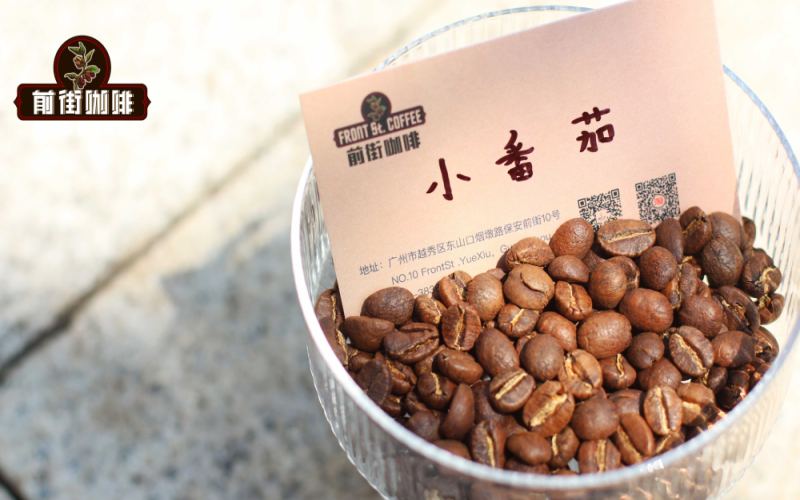
Cold brew coffee tutorial | Which single-origin beans to choose for making iced coffee at home? Specialty coffee beans recommended for cold brew by experienced coffee enthusiasts
In such hot weather, of course you have to drink your coffee iced. But for someone at Front Street Coffee who can never make up their mind, with so many types of iced coffee on the market—cold brew, ice drip, nitro coffee, Japanese-style iced coffee—how exactly should you choose? We all know that iced coffee generally uses low-temperature extraction, which is slow, but in terms of flavor, by [more…]
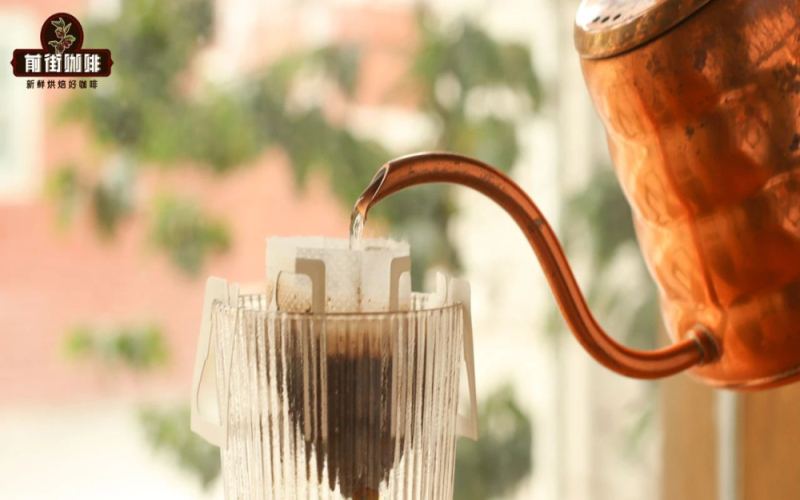
The Complete Guide to Iced Drip Coffee: A Detailed Illustrated Tutorial on Hand-Brewed Iced Coffee and Cold Brew Coffee
For busy office workers, drip bag coffee is an ideal choice that balances convenience and quality. This article will show you step by step how to use drip bags to make two refreshing summer drinks—iced pour-over coffee and cold brew coffee. From bean selection tips to brewing steps, Front Street Coffee provides you with detailed guidance: if you like floral notes, try Yirgacheffe; if you prefer fruity flavors, choose Huakui; and if you want to experience flavors from multiple countries at once, there is the classic five-origin combination. With just simple equipment and a few steps, you can easily enjoy a cup of icy, rich coffee at the office or at home. [more…]

Home Fully Automatic Coffee Machine Buying Guide and Operation Tutorial: From Usage Steps to Price Reference
Home fully automatic coffee machines have become a popular choice for many households and office settings thanks to the convenience of one-touch grinding and brewing. This article will provide a systematic guide to using this type of equipment for those who are new to it, covering everything from machine classification and ingredient preparation to startup operation and daily maintenance. It also offers specific advice on selecting coffee beans, including the difference between single-origin beans and espresso blends, and recommends several Front Street Coffee products suitable for home use, such as Huakui SOE and Classic Blend. Whether you want to understand the operating process or find purchasing references, this guide can provide practical help. [more…]
Cold Brew Coffee Zero-Basics Tutorial: Easily Brew Great Taste at Home
One of summer's greatest pleasures is sipping a cold, smooth glass of cold brew in an air-conditioned room. It doesn't scald your mouth like hot coffee, nor is it bitter like traditional iced coffee—what greets your palate is clean fruit notes and a gentle sweetness. Many people think cold brew is a fancy "coffee shop only" specialty, but it may actually be the easiest of all coffee [more…]
Blue Mountain Coffee Beans Pour-Over Extraction Tutorial and Flavor Blending Ideas Sharing
Jamaican Blue Mountain coffee is renowned for its balanced and elegant flavor, and only by mastering the proper brewing method can its charm be fully released. Using a siphon pot as an example, this article breaks down in detail the pour-over extraction steps for Blue Mountain coffee beans, explaining the key points of operation step by step, from equipment preparation to pouring water and stirring, to reflux and decanting. At the same time, for everyday drinking needs, it provides a highly practical DIY blending formula for Blue Mountain flavor, helping coffee enthusiasts recreate the classic Blue Mountain taste while keeping costs controllable. The article also combines the product characteristics of Front Street Coffee beans to offer bean selection and pairing suggestions, making it suitable as a reference for readers who wish to gain a deeper understanding of Blue Mountain coffee brewing and blending. [more…]
Yirgacheffe Red Honey Process Pour-Over Tutorial: Grind Settings and Brewing Techniques for Hario V60 and French Press
This Yirgacheffe red honey coffee from Front Street Coffee comes from the Idido region at an altitude of 2,000–2,200 meters. It is a local heirloom variety, G1 grade, processed using the uncommon red honey method, with pronounced sweetness, balanced acidity, and the signature floral and fruity aroma of Yirgacheffe. This article shares in detail its pour-over grind setting, as well as the specific parameters and techniques for two brewing methods—Hario V60 and French press—including coffee-to-water ratio, water temperature, pouring rhythm, and extraction time, along with tasting notes for each, to help coffee lovers recreate this bean's layered complexity and refreshing cup at home. [more…]

A Century of Pour-Over Coffee Evolution and a Hands-On Tutorial: From the Melitta Dripper to Front Street Coffee's Huakui Three-Pour Brewing
Pour-over coffee has now become one of the most mainstream brewing methods in the specialty coffee world, but its origins can be traced back to a flash of inspiration from a German housewife over a hundred years ago. From the early prototype of filtering coffee with blotting paper to Melitta's continuous refinement of the dripper design, how have pour-over brewing tools evolved? This article not only traces the historical thread of pour-over coffee but also presents a complete pour-over tutorial, using "Front Street Coffee Flower Queen" coffee beans as an example to explain every step of the three-stage brewing process—blooming, main extraction, finishing and blending—along with a buying guide to several Front Street Coffee-recommended beans suited to different taste preferences. [more…]
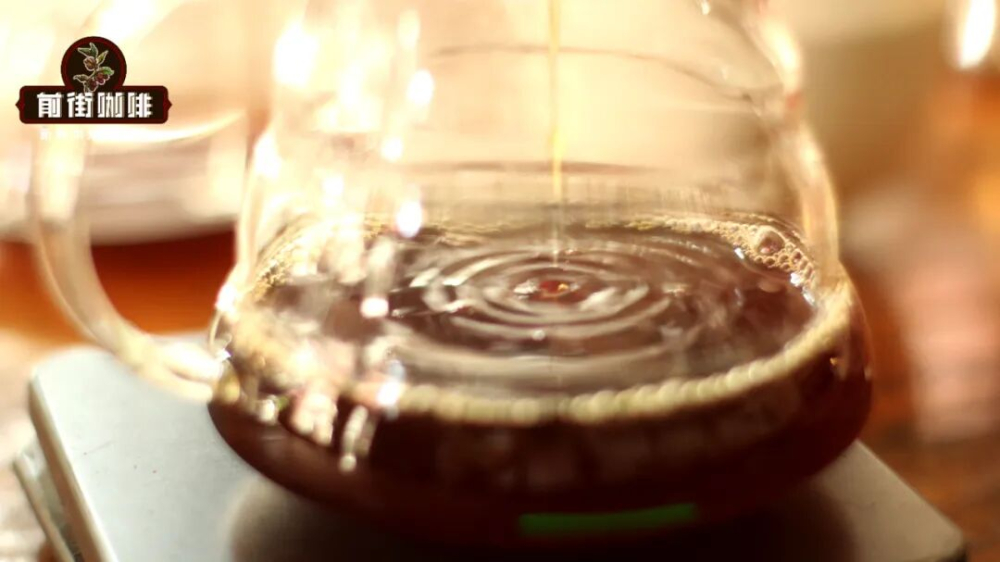
Dark Roast Coffee Beans Pour-Over Technique Tutorial | Why Does Pour-Over Coffee Have a Burnt, Bitter Taste? What Water Temperature Should Be Used to Brew Indonesian Mandheling, Brazilian, and Colombian Coffee?
Newcomers often say that brewing coffee feels like a mystic art, and whether it tastes good or not is purely a matter of luck. But in Front Street Coffee's view, as long as you find the logic and patterns behind brewing, you'll discover that it's actually not that complicated at all—it's simply about finding a few key parameters and using hot water to fully extract the coffee grounds, ultimately getting a cup that tastes good. [more…]